

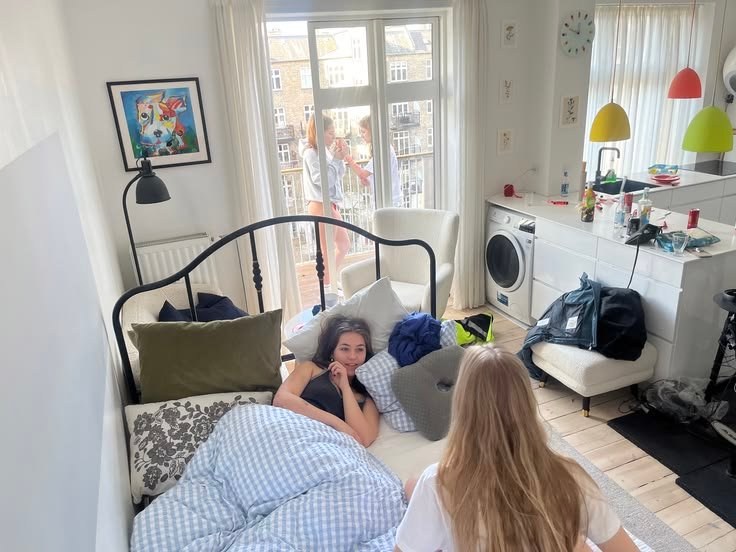
a messy beginning: why shared flats get dirty faster than you expect
You don’t really notice it at first. The sink fills slowly—just one mug, then two plates, then suddenly there’s a leaning tower of cookware threatening to collapse. The trash bin seems “fine” until it’s not. Someone forgets to wipe the counter. Someone else assumes someone else will do it. And just like that, a shared flat begins its quiet descent into chaos.
Living with others has a strange effect on responsibility. When everything belongs to everyone, it also somehow belongs to no one. That’s the root of most “dirty flat” problems—not laziness, not bad intentions, just blurred ownership.
The good news? You don’t need a full lifestyle overhaul or a military-level cleaning regime. You need quick, realistic fixes that work with human behavior, not against it. What follows are five practical solutions that have been tested in real shared living situations—messy kitchens, passive-aggressive notes, forgotten chores, and all.
These aren’t theoretical tips. They’re fixes that actually stick.
fix one: create a “two-minute reset” rule
There’s something almost magical about two minutes. It feels short enough that no one resists it, yet long enough to make a visible difference.
The idea is simple: every flatmate agrees that whenever they leave a shared space—kitchen, living room, bathroom—they spend two minutes resetting it. Not deep cleaning. Not scrubbing tiles. Just restoring basic order.
Wipe the counter. Rinse your dishes. Put the remote back. Toss visible trash.
The beauty of this rule is that it avoids the biggest psychological barrier to cleaning: overwhelm. Nobody wants to start a 30-minute cleaning session after a long day. But two minutes? That feels doable even when you’re tired, distracted, or in a hurry.
At first, people might forget. That’s normal. The trick is to keep it casual, not confrontational. A simple “hey, don’t forget the two-minute reset” works better than frustration.
Over time, something interesting happens. The flat never gets bad enough to require big cleanups. The mess is interrupted early, like stopping a small fire before it spreads.
It’s not about perfection. It’s about preventing buildup.
fix two: assign zones, not chores
Most shared flats fail at cleaning because they rely on vague agreements. “We’ll all clean the kitchen.” Sounds fair, right? In reality, it leads to confusion.
Who cleaned last? Who should clean today? Is wiping the counter enough, or does someone need to mop?
Instead of assigning chores, assign zones.
One person is responsible for the kitchen. Another for the bathroom. Someone else for the living area. These roles don’t mean doing everything all the time—they mean being the “final checkpoint” for that space.
If the kitchen looks off, everyone knows who takes initiative. No guessing. No silent resentment.
To keep it fair, rotate zones weekly or biweekly. That way no one gets stuck with the least favorite area forever.
There’s also a subtle psychological shift here. When a space feels like “yours,” even temporarily, you take more pride in it. You notice small messes earlier. You’re less likely to ignore them.
This system works because it replaces shared ambiguity with clear ownership—without turning the flat into a strict, exhausting system.
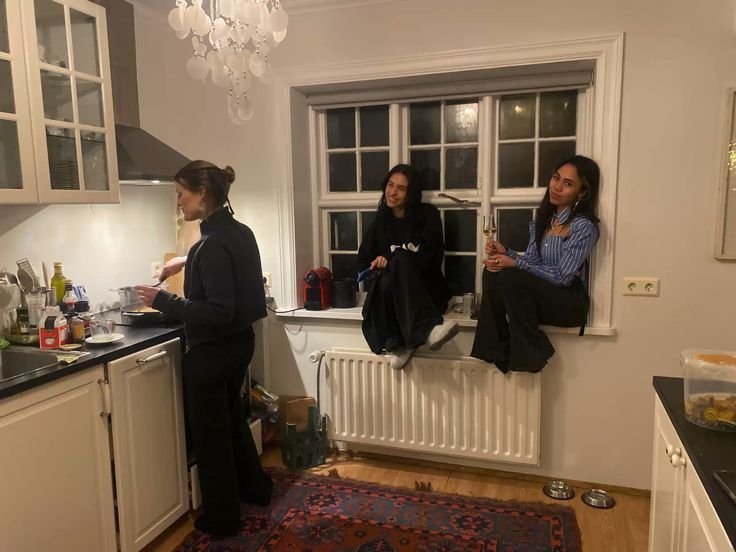
fix three: make cleaning visible (but not aggressive)
In many shared flats, tension builds not because of the mess itself, but because of the silence around it.
One person feels they’re doing more. Another thinks everything is fine. Nobody talks about it directly. Instead, it shows up as small irritations—sarcastic comments, passive-aggressive notes, or just quiet frustration.
A simple visibility system can fix this.
You don’t need anything fancy. A whiteboard, a piece of paper on the fridge, or even a shared chat message works. The idea is to make cleaning actions visible without turning them into a scoreboard.
For example:
- “Kitchen wiped and trash taken out – Ali”
- “Bathroom cleaned this morning – Sara”
That’s it. No tracking points. No ranking people. Just visibility.
Why does this work? Because it removes uncertainty. People can see what’s been done, and more importantly, what hasn’t.
It also creates a gentle sense of accountability. When everyone else is contributing, it becomes harder to opt out completely.
The key is tone. This should feel like communication, not surveillance. The moment it becomes competitive or judgmental, it stops working.
Think of it as a shared memory for the flat—not a report card.
fix four: fix the “hotspots,” not the whole flat
Every messy flat has its problem areas. The kitchen sink. The coffee table. The corner where random items go to disappear. Trying to fix everything at once is exhausting and unrealistic.
Instead, identify the hotspots—the places where mess accumulates fastest—and focus on those.
In most flats, there are usually three to five key areas:
- the sink or dish area
- the main counter or table
- the trash zone
- the bathroom sink or mirror
- the entryway (shoes, bags, keys)
Pick these spots and create simple rules for each.
For example:
- sink rule: no dish stays longer than 12 hours
- table rule: clear it before sleeping
- trash rule: whoever fills it ties it
These rules should be easy to follow and easy to remember. If they’re too strict or complicated, people will ignore them.
By controlling the hotspots, you control the overall feel of the flat. Even if other areas aren’t perfect, the space feels manageable and livable.
This approach works because it targets the 20% of areas that cause 80% of the mess.
fix five: build a weekly “reset ritual”
No matter how good your daily habits are, shared spaces still drift toward mess over time. That’s just reality. The solution isn’t to aim for constant perfection—it’s to have a reliable reset point.
A weekly reset ritual acts like a refresh button for the entire flat.
Pick a consistent day and time. It could be Sunday afternoon, Friday evening, or whenever most people are available. Keep it short—30 to 60 minutes is enough.
During this time, everyone does a slightly deeper clean:
- vacuum or sweep
- wipe surfaces properly
- clean the bathroom more thoroughly
- take out all trash
- reorganize shared areas
To make it less of a chore, add something small that makes it enjoyable. Play music. Order food afterward. Keep it social, not stressful.
What matters is consistency, not intensity.
When everyone knows there’s a reset coming, they’re less likely to let things spiral. And even if the week gets messy, there’s always a built-in correction point.
overcoming the real challenge: people, not mess
At its core, a dirty flat isn’t really about dirt. It’s about people with different habits, standards, and expectations sharing the same space.
One person grew up in a spotless home. Another is comfortable with a bit of clutter. One cleans as they go. Another cleans in bursts.
None of these approaches are wrong—but they clash when unspoken.
That’s why communication matters just as much as any cleaning system. Not long, serious meetings. Just small, honest conversations.
“Hey, the kitchen’s been getting messy lately—can we try the two-minute reset thing?”
“Would it help if we rotated bathroom cleaning?”
Keep it simple. Keep it respectful. Avoid blame.
The goal isn’t to change people completely. It’s to create a system where different habits can coexist without constant friction.
small habits that quietly make a big difference
Beyond the five main fixes, there are small habits that can transform a shared flat without much effort.
Leave things better than you found them. Even slightly.
If something takes less than 30 seconds, do it immediately.
Don’t wait for “cleaning day” to fix obvious messes.
Keep your personal items contained—spreading them into shared space is one of the fastest ways to create clutter.
These aren’t rules you enforce. They’re behaviors you model. And surprisingly often, others follow without being asked.
why quick fixes work better than perfect plans
It’s tempting to design the “perfect” cleaning system—detailed schedules, strict rules, precise responsibilities. But in real life, those systems usually collapse.
People forget. Plans become inconvenient. Motivation drops.
Quick fixes work because they’re flexible. They adapt to real life instead of fighting it.
A two-minute reset still works on a busy day.
A zone system still works if someone misses a turn.
A weekly reset still works even if the week was chaotic.
They’re not fragile systems. They’re resilient ones.
And that’s what shared living needs—not perfection, but consistency.

a lived-in space vs a neglected one
There’s an important distinction that often gets overlooked: a flat can be lived-in without being dirty.
A few books on the table, a blanket on the couch, a mug by the sink—that’s life happening. It’s normal.
Dirt, on the other hand, is neglect. It’s old food, sticky surfaces, overflowing trash, and things left too long.
The goal isn’t to eliminate signs of living. It’s to prevent neglect.
When you shift your mindset this way, cleaning stops feeling like an endless task and starts feeling like simple maintenance.
and finally, what actually changes everything
If there’s one thing that makes the biggest difference in a shared flat, it’s this: consistency beats intensity.
You don’t need to clean perfectly. You don’t need everyone to agree on everything. You don’t even need a flawless system.
You just need small actions, repeated often enough, to keep things from falling apart.
Two minutes here. A quick wipe there. A weekly reset.
That’s how clean flats actually happen—not through big efforts, but through small, steady ones.
frequently asked questions
- what if one flatmate refuses to clean at all?
This is common, and it’s frustrating. Start by having a calm, direct conversation—avoid accusing language. If that doesn’t work, adjust the system so responsibilities are clearer (like zone assignments). In extreme cases, you may need to set boundaries, such as not cleaning up after them or involving the landlord if it affects shared agreements. - how do we keep the system from falling apart after a few weeks?
Keep it simple. Most systems fail because they’re too complicated. Stick to 2–3 core rules (like the two-minute reset and weekly clean). Also, revisit the system occasionally—small adjustments help keep it relevant. - is it better to clean daily or weekly in a shared flat?
Both serve different purposes. Daily habits prevent buildup, while weekly cleaning resets the space. Relying on only one usually doesn’t work well—combining light daily upkeep with a weekly reset is the most effective approach. - what if everyone has different cleanliness standards?
That’s normal. The goal isn’t to match standards perfectly, but to agree on a minimum acceptable level. Focus on shared spaces and define what “clean enough” looks like together. - how do we avoid arguments about cleaning?
Avoid blame and assumptions. Use neutral language and focus on solutions. Systems like visible cleaning logs or zone ownership reduce misunderstandings and make expectations clearer. - are cleaning schedules necessary?
Not always. Some flats work better with flexible systems like zones and quick resets. If schedules feel restrictive, try lighter structures first and only add schedules if needed.
—
A shared flat doesn’t become clean overnight, and it doesn’t stay clean by accident. But with a few practical fixes—and a bit of cooperation—it becomes a place that feels comfortable instead of stressful.
Not perfect. Just livable, functional, and quietly under control.