

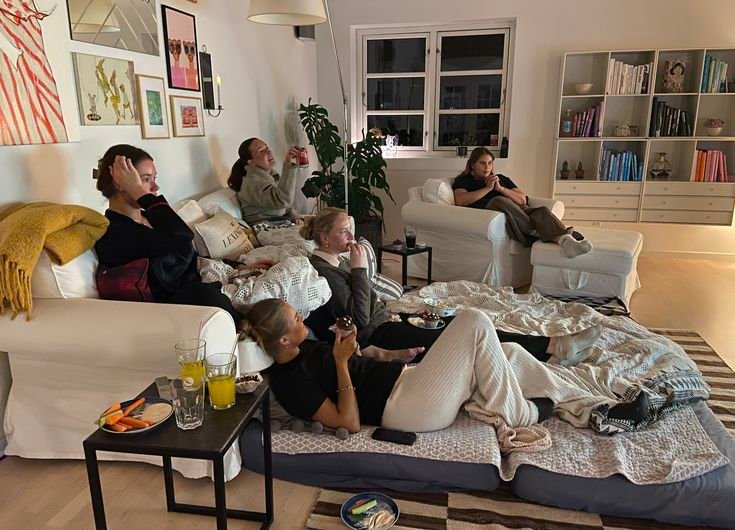
14 proven shared flat living tips that actually work
Shared flat living sounds simple on paper: split the rent, divide the chores, and enjoy companionship. But anyone who has ever shared a space with others knows it’s far more nuanced than that. It’s a daily exercise in communication, patience, compromise, and self-awareness. The difference between a peaceful shared home and a stressful one rarely comes down to luck—it comes down to habits and systems that actually work in real life.
This guide goes beyond generic advice. It blends practical strategies, small behavioral tweaks, real-life scenarios, and systems you can apply immediately. Think of it as a lived-in handbook, not a polished theory.
—
- start with clear expectations, not assumptions
Most shared living conflicts begin before anyone even moves in—because expectations are silently carried, not openly discussed.
Instead of saying:
“We’ll figure it out.”
Say:
“Let’s define how we’ll handle things.”
Create a simple expectation sheet before or within the first week:
| Area | Questions to Answer |
|---|---|
| Cleanliness | How clean is “clean enough”? |
| Guests | Overnight guests allowed? Frequency? |
| Noise | Quiet hours? Weekend flexibility? |
| Bills | Split evenly or by usage? |
| Food | Shared or individual? |
A 30-minute conversation here can save months of tension later.
Mini scenario:
Ali assumes dishes can wait overnight. Hassan believes they should be cleaned immediately. Neither is “wrong,” but without clarity, both get frustrated.
—
- create a chore system that feels fair (not equal)
Equal doesn’t always mean fair.
If one roommate works long hours and another works from home, splitting chores 50/50 might feel unfair to both. The goal is perceived fairness.
Try this rotating system:
| Week | Person A | Person B | Person C |
|---|---|---|---|
| 1 | Kitchen | Trash | Bathroom |
| 2 | Bathroom | Kitchen | Trash |
| 3 | Trash | Bathroom | Kitchen |
Add flexibility:
- Allow swaps
- Set minimum standards (not perfection)
Pro tip: Define “done.” Cleaning the kitchen isn’t just wiping counters—it includes dishes, sink, and floor.
—
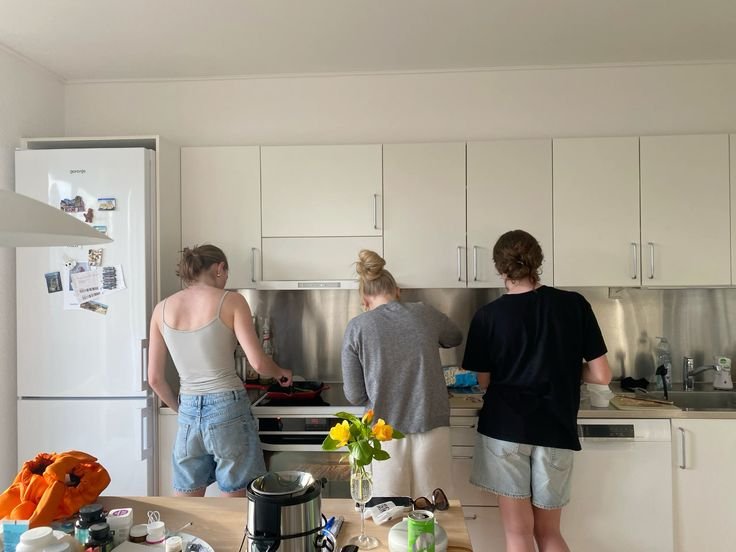
- use money transparency to avoid silent resentment
Money issues don’t explode immediately—they build quietly.
Use a shared tracking method:
- A simple spreadsheet
- A shared expense app
- Even a WhatsApp log
Example expense log:
| Date | Item | Paid by | Amount | Split |
|---|---|---|---|---|
| April 1 | Electricity | Sara | 6000 PKR | 2000 each |
| April 3 | Groceries | Bilal | 4500 PKR | 1500 each |
Rules that help:
- Set due dates (e.g., within 48 hours)
- No vague “I’ll send later”
- Screenshot confirmations if needed
Clarity removes awkward reminders.
—
- define personal space—even in shared rooms
Even in tight spaces, psychological boundaries matter.
Ideas that work:
- Assign shelves, drawers, or zones
- Use small dividers or curtains
- Respect “do not disturb” signals
Example:
Headphones on = not available for conversation
It sounds simple, but these small cues prevent unnecessary friction.
—
- communicate early, not emotionally
The worst time to address an issue is when you’re already annoyed.
Instead of:
“You always leave a mess!”
Try:
“I’ve noticed dishes are sometimes left overnight. Can we agree on a system?”
Timing matters:
- Not during stress
- Not in front of guests
- Not through passive-aggressive messages
A useful formula:
Observation → Impact → Request
“I noticed the trash wasn’t taken out (observation). It caused a smell (impact). Can we set a schedule? (request)”
—
- establish a “house rhythm”
Every home develops a rhythm—either intentionally or by accident.
Create predictable patterns:
- Cleaning day (e.g., Sunday morning)
- Grocery day
- Quiet hours (e.g., 11 PM onward)
Sample weekly rhythm:
| Day | Activity |
|---|---|
| Sunday | Deep cleaning + groceries |
| Wednesday | Midweek tidy-up |
| Daily | Quick 10-minute reset at night |
Consistency reduces decision fatigue.
—
- respect different lifestyles without trying to change them
Not everyone will match your habits—and that’s okay.
Common differences:
- Sleep schedules
- Social habits
- Cleanliness standards
- Work routines
Instead of forcing alignment, build buffers:
- Quiet zones
- Flexible rules
- Compromise windows
Example:
One roommate is a night owl, another wakes early.
Solution:
Headphones + designated quiet hours.
Harmony doesn’t require sameness—it requires accommodation.
—
- label shared vs personal items clearly
Food fights (literally and figuratively) are among the most common issues.
Avoid confusion with simple systems:
- Label shelves
- Use color-coded containers
- Define shared staples (e.g., oil, salt, tea)
Example setup:
| Category | Rule |
|---|---|
| Milk | Personal |
| Rice | Shared |
| Snacks | Personal unless offered |
Golden rule:
If it’s not clearly shared, don’t touch it.
—
- host guests with mutual respect
Guests can either enrich or disrupt shared living.
Set boundaries:
- Notice period (e.g., inform 24 hours before)
- Overnight limits
- Shared space etiquette
Example agreement:
- Max 2 overnight stays per week
- Guests don’t use others’ belongings
- Noise kept minimal late at night
It’s not about restriction—it’s about respect.
—
- build small positive habits together
Not everything should be about rules.
Shared positive rituals improve relationships:
- Occasional shared meals
- Movie nights
- Tea breaks
These aren’t mandatory—but they help humanize the living experience.
Example:
A simple Friday night chai session can reduce weeks of built-up tension.
—
- address problems as a team, not as individuals
When something goes wrong, avoid blame language.
Instead of:
“You didn’t pay the bill!”
Say:
“The bill is overdue—how do we handle this?”
This subtle shift:
- Reduces defensiveness
- Encourages collaboration
Think “us vs problem,” not “me vs you.”
—
- keep a shared emergency plan
This is often ignored—but extremely useful.
Discuss:
- What happens if rent is late?
- Who to call in emergencies?
- Backup for utilities
Example checklist:
- Landlord contact saved by all
- Emergency fund (even small)
- Basic first aid kit
Preparedness builds confidence in shared living.
—
- adapt rules as the living situation evolves
What works in month one might not work in month six.
Schedule occasional check-ins:
- Monthly or quarterly
Ask:
- What’s working?
- What’s frustrating?
- What should change?
This prevents rigid systems from becoming sources of conflict.
—

- protect your mental space
Shared living doesn’t mean constant social interaction.
Take time for yourself:
- Go out alone
- Use headphones
- Set boundaries without guilt
Example:
“I’m taking some quiet time tonight.”
Healthy distance improves long-term harmony.
—
a quick visual summary of the 14 tips
| Tip Number | Core Idea |
|---|---|
| 1 | Define expectations early |
| 2 | Fair chore systems |
| 3 | Transparent finances |
| 4 | Personal space matters |
| 5 | Calm communication |
| 6 | Create routines |
| 7 | Respect differences |
| 8 | Clear item ownership |
| 9 | Guest boundaries |
| 10 | Positive shared habits |
| 11 | Team problem-solving |
| 12 | Emergency planning |
| 13 | Adapt over time |
| 14 | Protect mental space |
—
real-life reflection
Most shared flats don’t fail because of big issues. They fail because of repeated small annoyances that were never addressed properly.
A sink left dirty.
A bill paid late.
A boundary ignored.
Individually small, collectively exhausting.
The tips above work because they target these small friction points—before they grow.
—
frequently asked questions
- how do i deal with a messy roommate without causing conflict?
Start with a calm, specific conversation. Avoid general accusations. Suggest a system rather than demanding change. For example, propose a cleaning schedule instead of saying they’re messy. If needed, agree on minimum cleanliness standards everyone must follow.
- should shared expenses always be split equally?
Not necessarily. Equal splits work when usage is similar, but if one roommate consumes more (utilities, food), a proportional split might feel fairer. The key is mutual agreement and transparency.
- what’s the best way to handle late rent or bills?
Set clear deadlines and consequences early. If someone is late, address it immediately but calmly. Consider a buffer fund or backup plan to avoid stress. Consistency in handling delays is important.
- how can i maintain privacy in a shared flat?
Create physical and psychological boundaries. Use personal storage areas, communicate your need for alone time, and respect others’ privacy as well. Small signals like headphones or closed doors can help.
- what if roommates have completely different lifestyles?
Focus on coexistence, not alignment. Build systems that allow both lifestyles to function—like quiet hours, flexible schedules, and clear communication. Differences are manageable with structure.
- is it okay to leave a shared flat if things don’t improve?
Yes. If you’ve tried communication, adjustments, and compromise but the environment still affects your well-being, leaving is a valid choice. Shared living should support your life, not drain it.
—
final thought
Shared flat living is less about perfection and more about awareness. The most successful shared homes aren’t the ones without problems—they’re the ones where people know how to handle them.
If you apply even a few of these tips consistently, you’ll notice a shift—not just in your living space, but in how you experience it.
And that’s when shared living starts to actually work.