


12 essential shared flat living hacks you must know
There’s a quiet moment that hits almost everyone who moves into a shared flat. It usually happens late at night, maybe while staring at a sink full of dishes that no one admits to owning, or when someone’s music leaks through the walls at 2 a.m. That moment is when reality settles in: shared living is less about space and more about people. And people, as it turns out, come with habits, moods, and invisible expectations.
Shared flat living can either feel like a supportive micro-community or a slow-burning test of patience. The difference rarely comes down to luck. More often, it’s about knowing a few essential hacks that make daily life smoother, calmer, and surprisingly enjoyable.
What follows isn’t a rigid rulebook. It’s a collection of lived-in insights, subtle strategies, and practical adjustments that turn chaos into cooperation.
hack 1: start with a real conversation, not assumptions
Most shared living problems begin before anyone even unpacks. They start with assumptions—about cleanliness, noise levels, guests, and even food sharing.
Instead of letting expectations remain unspoken, sit down early for a proper conversation. Not a rushed chat while carrying boxes, but a deliberate discussion where everyone gets to express how they prefer to live.
You don’t need a formal meeting. A relaxed setting works better—maybe over tea or a simple meal.
Try touching on:
- cleaning habits
- preferred quiet hours
- guest policies
- shared expenses
- personal boundaries
What matters is not perfection, but clarity. People are far more likely to respect agreements they helped create.
hack 2: create a flexible cleaning system (not a strict one)
Many flats fail because of overly rigid cleaning schedules. Life gets busy. Someone misses their turn, resentment builds, and suddenly a minor issue becomes personal.
A better approach is a flexible system.
Instead of assigning exact days, define responsibilities:
- one person handles trash regularly
- another focuses on common areas
- someone else checks the kitchen
Rotate these roles every week or two. This keeps things fair without creating pressure.
Also, agree on a “minimum standard.” It’s easier to maintain a shared space when everyone knows what “clean enough” looks like.
hack 3: label what matters, share what doesn’t
Nothing creates tension faster than unclear ownership. That half-used milk carton becomes a silent battlefield.
A simple hack: label items that are personal, and clearly define what’s shared.
You can even divide kitchen space:
- one shelf per person
- a shared section for communal items
Some flats go further and create a small “shared fund” for basics like oil, salt, or cleaning supplies. It reduces constant micro-transactions and keeps things simple.
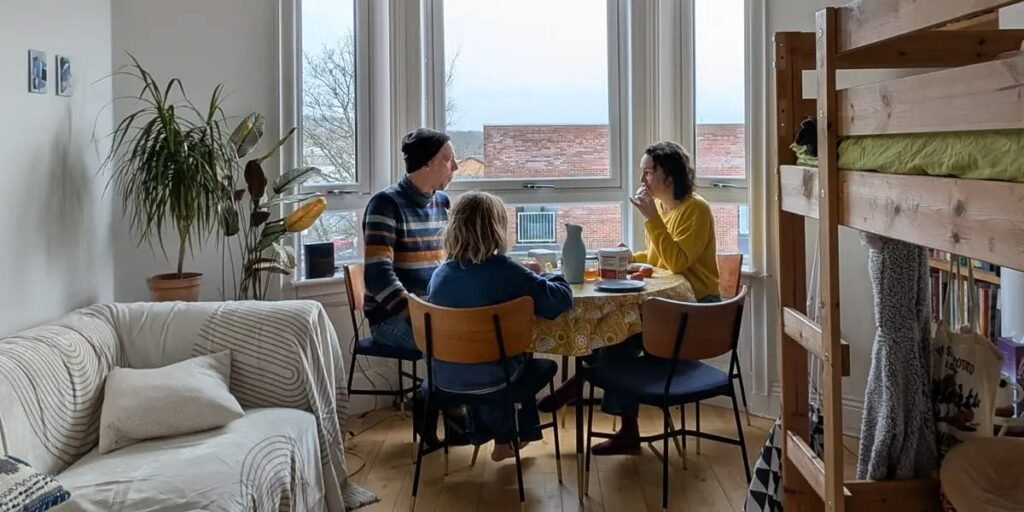
hack 4: invest in small shared upgrades
People often hesitate to spend money on shared items. But a few small upgrades can dramatically improve daily life.
Consider:
- a better showerhead
- brighter lighting in common areas
- comfortable seating
- a quality trash bin
These aren’t luxuries—they’re quality-of-life multipliers. When the space feels good, people treat it better.
A shared flat doesn’t need to be perfect, but it should feel like somewhere you want to come back to.
hack 5: respect invisible boundaries
Not all boundaries are spoken. Some are subtle: how long someone likes to stay in the bathroom, how they react to noise, or how much social interaction they prefer.
Pay attention to patterns.
If a flatmate consistently retreats to their room after work, they might value quiet time. If someone cooks late at night, they may have a different schedule.
Respecting these invisible boundaries builds trust without needing constant discussion.
hack 6: solve problems early, not perfectly
There’s a temptation to wait until you can address an issue “properly.” But in shared living, delay often makes things worse.
If something bothers you, bring it up early and casually.
Instead of:
“Why do you always leave the kitchen dirty?”
Try:
“Hey, I noticed the kitchen gets messy sometimes—maybe we can figure out a way to keep it easier for everyone?”
The tone matters more than the words. Early, low-pressure conversations prevent bigger conflicts later.
hack 7: create personal space within shared space
Even in a shared flat, everyone needs a sense of ownership.
Encourage small personal touches:
- a favorite mug
- a corner of the living room
- a specific chair or spot
These micro-territories give people comfort without isolating them.
At the same time, respect closed doors. A room is more than a physical space—it’s a mental boundary.
hack 8: establish a noise culture, not just rules
Noise is one of the biggest sources of conflict, but strict rules don’t always work.
Instead of enforcing silence after a certain hour, build a shared understanding of “acceptable noise.”
For example:
- headphones for late-night media
- gentle reminders instead of complaints
- flexibility for occasional events
A culture of awareness works better than rigid enforcement.
hack 9: manage guests thoughtfully
Guests can either enrich shared living or disrupt it completely.
Agree on a few basics:
- how often guests are allowed
- how long they can stay
- whether overnight stays need notice
It’s not about restricting freedom—it’s about maintaining balance.
A simple message like “Hey, I’ll have a friend over tonight” goes a long way in keeping everyone comfortable.
hack 10: handle money transparently
Money issues are rarely about the amount—they’re about trust.
Use a clear system for shared expenses:
- track everything in a shared note or app
- settle balances regularly
- avoid vague agreements
Even better, keep shared expenses minimal where possible. Simplicity reduces friction.
hack 11: build occasional connection, not constant interaction
You don’t need to be best friends with your flatmates. In fact, forcing constant interaction can backfire.
Instead, aim for occasional connection:
- a shared meal once a week
- a movie night now and then
- casual conversations in common areas
These moments build familiarity without pressure.
A shared flat works best when it feels friendly, not forced.
hack 12: accept imperfection as part of the system
This might be the most important hack of all.
No shared living arrangement is perfect. There will be noise, mess, misunderstandings, and small annoyances.
The goal isn’t to eliminate these completely—it’s to manage them without letting them dominate the experience.
When you accept a certain level of imperfection, you gain patience. And patience is what turns shared living from stressful to sustainable.
a simple weekly rhythm that actually works
To tie everything together, here’s a sample weekly rhythm that many shared flats find helpful:
monday
quick check-in (messages or brief chat about the week)
wednesday
light cleaning reset (15–20 minutes each)
friday or saturday
optional shared activity (meal, tea, or just hanging out)
sunday
expense check and planning (if needed)
This isn’t mandatory—it’s just a loose structure that keeps things from drifting into chaos.
a short shared agreement example
Sometimes writing things down helps. Here’s a simple example you can adapt:
“We agree to keep shared spaces reasonably clean, communicate openly about issues, respect each other’s time and space, and handle expenses fairly. We understand that flexibility and patience are part of shared living.”
Even a short agreement like this can set the tone for everything that follows.
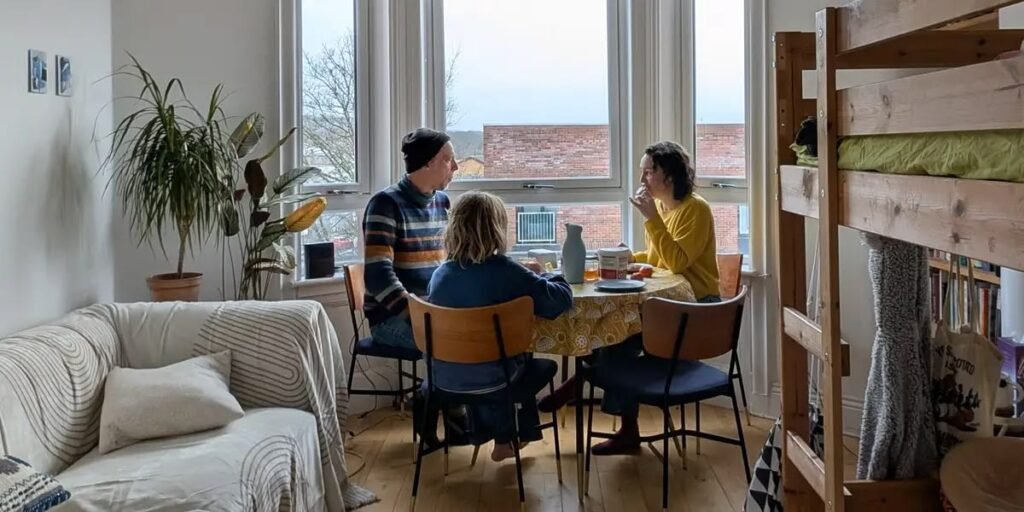
the emotional side of shared living
Beyond logistics, shared flat living is an emotional experience.
You learn:
- how to compromise without losing yourself
- how to communicate without escalating conflict
- how to coexist with different personalities
These skills extend far beyond the flat. They shape how you interact in workplaces, relationships, and communities.
In that sense, shared living is less about saving money and more about learning how to live with others.
a few subtle habits that make a big difference
Small actions often matter more than big rules:
- washing dishes immediately instead of “later”
- replacing items you finish
- keeping noise in mind without being reminded
- sending a quick message before bringing guests
These habits create a ripple effect. When one person adopts them, others often follow.
what to do when things go wrong
Even with the best systems, conflicts happen.
When they do:
- focus on the issue, not the person
- avoid bringing up past grievances
- listen as much as you speak
- aim for resolution, not victory
Sometimes the solution isn’t perfect. But a workable compromise is better than ongoing tension.
when it’s time to reconsider the arrangement
Not all shared living situations are meant to last.
If issues become constant and communication fails, it may be worth reconsidering the arrangement.
Signs include:
- repeated unresolved conflicts
- lack of respect for boundaries
- ongoing stress that affects your well-being
Leaving doesn’t mean failure. It means recognizing what works for you.
final thoughts
Shared flat living isn’t just a practical choice—it’s a social experiment in everyday life.
With the right approach, it becomes more than a cost-saving strategy. It turns into a space where you learn patience, adaptability, and the art of coexistence.
These 12 hacks aren’t rules carved in stone. They’re tools you can adjust, combine, and reshape depending on your situation.
Because at the end of the day, a shared flat isn’t defined by its walls or furniture.
It’s defined by how the people inside choose to live together.
frequently asked questions
- how do i deal with a messy flatmate without creating conflict?
Start with a calm, non-accusatory conversation. Focus on shared goals like keeping the space comfortable rather than blaming. Suggest small, manageable changes instead of demanding perfection. - should we split everything equally in a shared flat?
Not necessarily. While equal splitting works in many cases, flexibility can help. For example, if one person uses certain resources more, adjustments can make things feel fairer. - what’s the best way to manage shared expenses?
Keep it simple and transparent. Use a shared note or app to track spending and settle balances regularly. Avoid letting small debts pile up. - how can i maintain privacy in a shared flat?
Set clear boundaries early. Respect closed doors, use headphones when needed, and communicate your need for personal time. Small signals can reinforce privacy without awkward conversations. - what if my flatmates and i have very different lifestyles?
Differences are normal. Focus on creating flexible systems rather than rigid rules. As long as there’s mutual respect and communication, different lifestyles can coexist. - is it better to live with friends or strangers?
Both have pros and cons. Living with friends can feel comfortable but may strain relationships. Living with strangers requires more adjustment but can sometimes create clearer boundaries. It depends on personalities and expectations.