

5 personal lessons from my shared flat living journey
Living in a shared flat is one of those experiences that sounds simple on paper but turns out to be a full education in real life. When I first moved into a shared apartment, I thought the biggest challenge would be space or money. I was wrong. The real lessons were about people, habits, patience, and the small things that quietly shape daily life.
What follows are five personal lessons I learned along the way. These aren’t theories or “tips from a guidebook”—they’re observations built from arguments over dishes, late-night conversations in the kitchen, awkward silences, unexpected friendships, and everything in between.
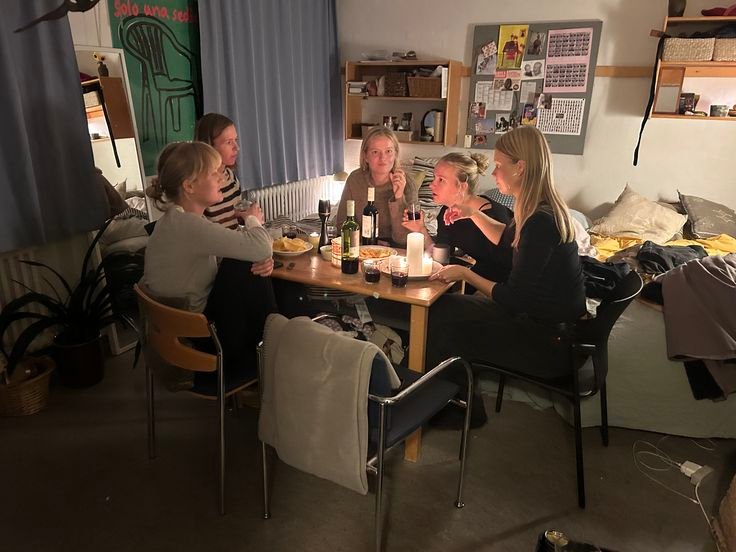
lesson 1: silence is not always peace, and noise is not always conflict
Before living with others, I assumed a “good” shared flat was a quiet one. No arguments, no interruptions, everyone minding their own business. But I slowly realized that silence can sometimes hide discomfort instead of peace.
There were days when everyone stayed in their rooms, avoided the kitchen at the same time, and barely spoke. At first, it felt calm. But over time, it started feeling distant. Small misunderstandings never got cleared, and assumptions began filling the gaps.
On the other hand, a bit of noise—casual conversations in the kitchen, someone joking while cooking, even small debates about groceries—often created more comfort than silence ever did.
I learned that healthy shared living is not about avoiding interaction; it’s about normalizing communication. Even a simple “hey, just letting you know I used the last of the milk” can prevent unnecessary tension later.
lesson 2: everyone has a different definition of “clean”
If there’s one topic that tests shared living faster than anything else, it’s cleanliness. I used to think cleanliness was universal. It isn’t.
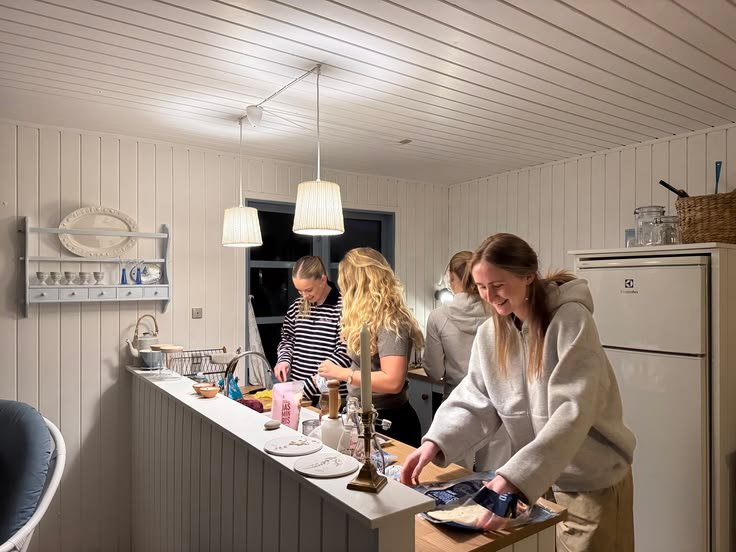
For one roommate, a clean kitchen meant no dishes in the sink at any time. For another, it meant washing everything before going to bed. For someone else, it meant cleaning only when things started looking visibly messy.
At first, I found this frustrating. I would think, “Why can’t everyone just clean properly?” But over time, I realized that the issue wasn’t laziness—it was difference in habits formed over years.
The real breakthrough came when we stopped expecting identical standards and started agreeing on shared minimum rules. For example: no dishes left overnight, shared cleaning schedule for common areas, and immediate cleanup after cooking heavy meals.
It wasn’t perfect, but it reduced resentment. I learned that shared living isn’t about changing people—it’s about aligning expectations.
lesson 3: personal space is invisible but extremely real
In a shared flat, personal space doesn’t always mean physical space. It’s emotional and behavioral too.
I remember thinking that since we all lived under one roof, everything would naturally be shared—conversations, time, energy. But I quickly realized that even the most social people need boundaries.
There were moments when I wanted to talk, but my flatmate just needed quiet. There were times when I needed solitude, but someone else was in a chatty mood. Misreading these moments led to small tensions that didn’t need to exist.
The biggest lesson was learning to recognize non-verbal boundaries. A closed door, headphones on, short replies—these are signals, not rejections.
Once I started respecting those signals without taking them personally, life became much smoother. Ironically, respecting distance often made relationships warmer.
lesson 4: money conversations are uncomfortable but necessary
Nothing tests friendship or harmony like shared expenses. Bills, groceries, internet, electricity—these things seem simple until they aren’t.
At first, I avoided money conversations because they felt awkward. I didn’t want to seem “too strict” or “calculating.” But avoiding them only made things worse. Small unpaid amounts started piling up, and resentment quietly built underneath everyday interactions.
The turning point came when we decided to make everything transparent. We started tracking shared expenses, dividing costs fairly, and discussing payments openly without embarrassment.
What surprised me was that honesty about money didn’t damage relationships—it actually protected them. Once expectations were clear, there was less room for misunderstanding.
I learned that money talk isn’t awkward because it’s wrong—it’s awkward because we delay it too long.
lesson 5: shared living teaches emotional patience more than anything else
The most unexpected lesson wasn’t about cleaning, space, or money. It was emotional patience.
Living with others means dealing with different moods, habits, stress levels, and communication styles. Some days, someone is loud when you want quiet. Other days, someone is distant when you want connection. Sometimes people unintentionally say things that feel irritating or unfair.
In solo living, you can escape these moments instantly. In shared living, you learn to sit with them.
I learned that not every situation needs a reaction. Not every irritation needs confrontation. Sometimes, giving things a few hours or a day changes how they feel completely.
At the same time, patience doesn’t mean ignoring problems. It means choosing when and how to address them thoughtfully instead of emotionally.
Over time, I realized that shared living is less about managing space and more about managing reactions.
closing reflection
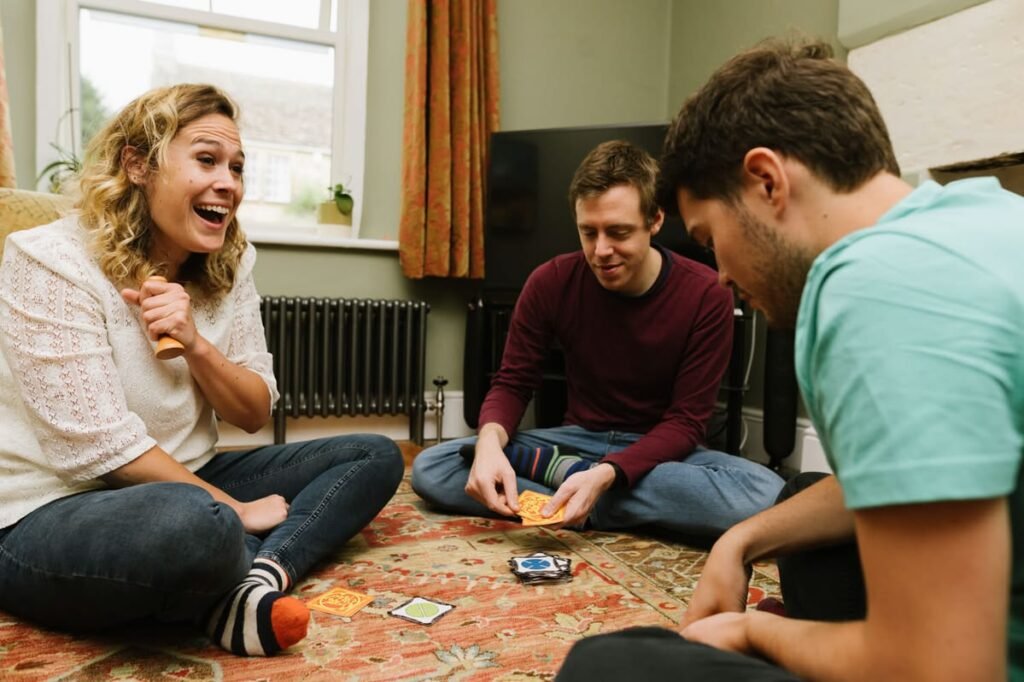
Looking back, my shared flat experience was less about surviving living with others and more about understanding myself. I discovered my own limits, triggers, habits, and expectations more clearly than ever before.
What seemed like a simple housing arrangement turned into a quiet education in empathy, communication, and flexibility. It wasn’t always comfortable, but it was undeniably valuable.
And strangely enough, even the difficult moments became useful later. They taught me how to deal with different personalities in workplaces, friendships, and everyday life.
Shared living doesn’t just teach you how to live with others—it teaches you how to live more consciously.
frequently asked questions (FAQs)
- Is shared flat living always difficult?
Not necessarily. It depends on compatibility, communication, and expectations. It can be very smooth if basic rules and respect are established early. - How do I deal with messy roommates?
Start with clear, calm communication. Agree on shared cleaning responsibilities and schedules rather than blaming individuals. - What is the biggest mistake people make in shared living?
Avoiding communication. Small issues grow bigger when they are not discussed early. - How can I maintain privacy in a shared flat?
Use boundaries like headphones, closed doors, personal routines, and clear communication about alone time needs. - Is it normal to feel stressed in shared accommodation?
Yes, especially at the beginning. Adjustment takes time, and stress usually reduces as routines and understanding develop. - Can shared living improve personal growth?
Yes. It teaches communication, patience, conflict resolution, and adaptability—skills that are useful in all areas of life.